

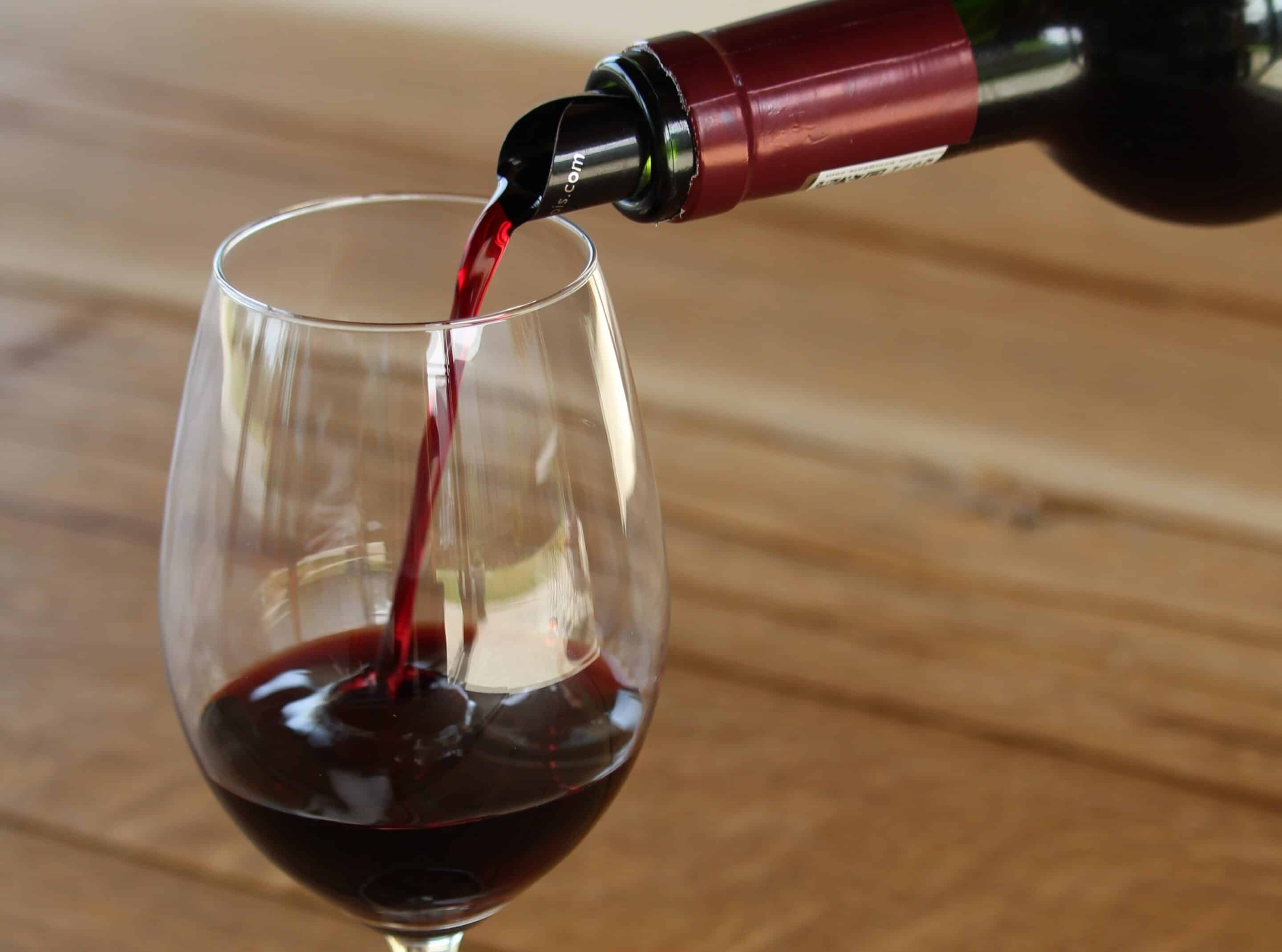
When you bring a glass to your lips, you do not only taste a blend of grape varieties: you taste the work of women and men, nourished by a family heritage, driven by a quest for perfection and guided by curiosity and innovation.
These craftspeople of taste make essential decisions every day: pruning, harvesting by hand, choosing the precise moment when the grape expresses all its vitality, gestures full of memory, intuition and rigour.
Traditional culture, foundation and heritage
The imprint of terroir and ancestral gestures
The vine grows within a geography, a climate, a soil: the terroir, shaped by generations of growers. The gestures handed down, goblet pruning, trellising, hand harvesting, embody a whole artisanal know-how, supple, patient and respectful of the living. These ancestral techniques aim to ensure that each berry, at harvest, is at full physical and aromatic ripeness: a subtle compromise between the science of the vine and human sensitivity.
Today: modernity and tradition serving the living
In today’s vineyards, technological modernity works closely with practices that respect the soil and biodiversity, drawn from the deep traditions of viticulture.
Precision viticulture: technology and accuracy
Precision viticulture, based on drones, soil sensors, GPS and satellite imagery, allows fine, responsive monitoring. Growers identify stressed zones, emerging disease or water needs in unprecedented detail.
- Drones inspect the canopy and detect infections or water stress early.
- Sensors measure moisture and vine nutrition and enable localised irrigation.
- With this information, plant protection products are applied only where needed, reducing chemical use.
The impact? Fewer inputs, healthier soils, preserved resources and optimised quality. Viticulture becomes more sustainable, more precise and healthier.
Soil-friendly methods: reasoned, organic and biodynamic farming
Alongside this high-tech viticulture, more natural approaches are gaining ground:
- Reasoned farming / integrated pest management: limiting plant protection products to what is strictly necessary, combining biological knowledge, close plot monitoring and natural protections.
- Organic viticulture: bans chemical fungicides, limiting treatments to authorised products (copper, sulphur) with strict attention to ecological balance.
- Biodynamics: pushes organic further by treating the vine as a living system, using natural preparations, biodynamic compost and biodiversity, and planning work by cosmic rhythms, to regenerate the soil and produce purer aromatic grapes.
These methods look after soil health through controlled ground cover (against erosion, for soil structure and microbial life), agroforestry (hedges and trees for biodiversity, temperature regulation and carbon storage) and permaculture (a holistic, resilient system).
Resistant grape varieties: a natural answer to change
To reduce plant protection products, resistant varieties (PIWI, hybrids, Divico) are being trialled. They show genetic resistance to disease (downy and powdery mildew) while delivering quality aromatic profiles. Their appeal? Drastically fewer chemical interventions, sometimes from 8 down to 3 treatments a year, while keeping satisfactory yields.
Combined systems: the strength of technology and ecology together
The future of viticulture may rest on the synergy of approaches: systems combining precision viticulture (technology) with agroecology (biodiversity, organic, agroforestry). For example, a drone detects a stressed zone, analysis follows, and a biological or biodynamic solution is applied locally. This combination controls environmental impact while ensuring fruit quality, an expression of terroir and a conscious human gesture.
Tomorrow: a dialogue between passion and technology
Algorithms already help to optimise the harvest date, estimate yields or predict aromatic profiles. This digital companion does not replace the craftsperson but offers new tools to sharpen their intuition. A wave of growers from other backgrounds (teachers, doctors, former city-dwellers) is redefining the approach, bringing passion, curiosity and fresh questions.
A rising demand for authenticity
Documentaries show how each bottle is a testimony: of the terroir’s history, the grower’s gesture and their choices, a sensory as much as an intellectual invitation. Illustrated labels, graphic signatures and transparent capsules are all ways to convey the estate’s personality and strengthen the bond between enthusiast and producer.
What you perceive in your glass and what lies behind it are two sides of the same world: hands that cultivate the living with rigour and respect; a dialogue between tradition and innovation, intuition and technology; a human adventure where each bottle is a story, from the vine to your senses.
Château d’Arsac, in the Margaux appellation, is part of this story, from its Médoc vines to your glass.