

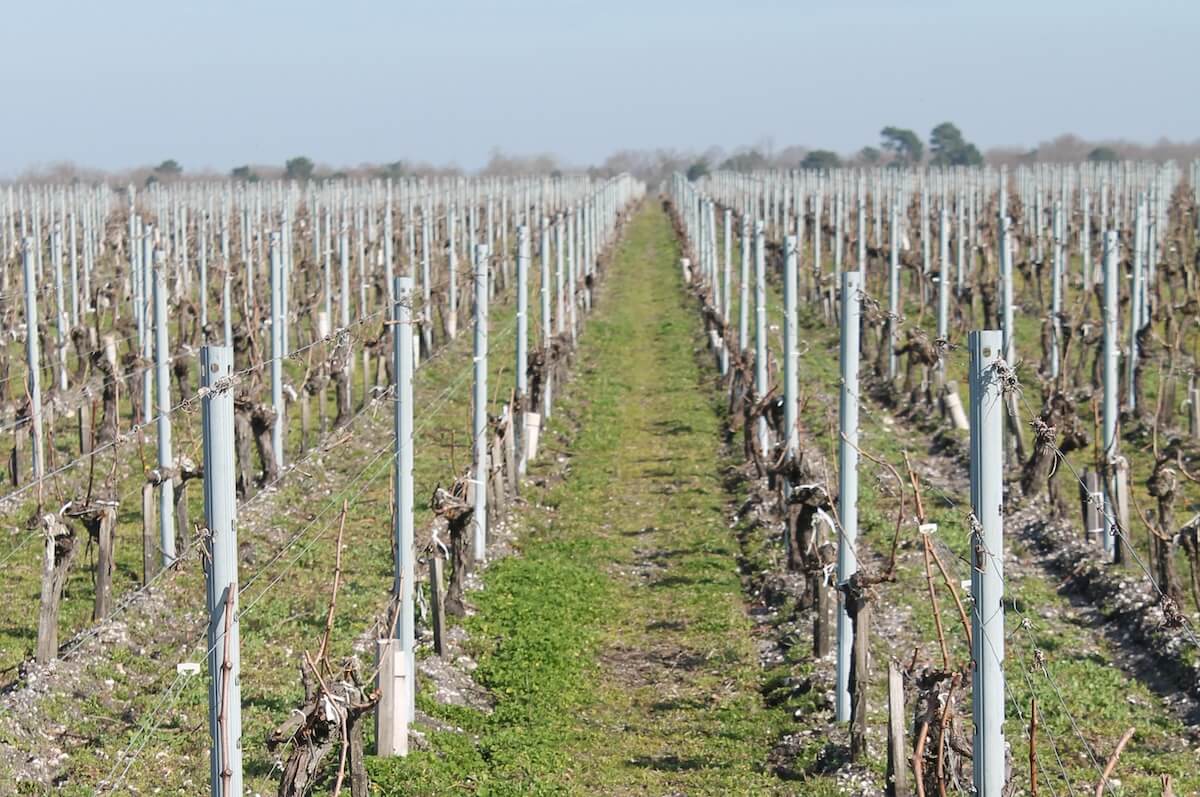
Winter is often seen as a pause in the vines. Yet it is a strategic period for the smooth running of the growing cycle. Cold, when it is sudden or poorly anticipated, can cause considerable damage: loss of buds, cracks in the trunks, lower yields, even the death of the plant.
Growers must therefore cope with the whims of the climate and put in place fine, adaptive strategies, blending tradition, agronomic knowledge and technological innovation. Here is an overview of what cold means for the vine, and the best practices to prepare for it.
The different types of frost
Not all frosts are equal. Depending on whether they occur before dormancy, in the heart of winter or at the fragile moment the vine wakes, their consequences are radically different. The vine is a living organism following a precise natural rhythm; it can withstand some cold when deeply asleep, but is extremely vulnerable when in full growth.
Early autumn frosts
- Occur before the vine has had time to build its reserves.
- Risk: dormancy set in too quickly, premature leaf fall, general weakening of the plant.
Winter frosts
- During dormancy, the vine resists cold relatively well, if the temperature drop is gradual.
- Danger: intense frost or a sudden cold snap after a mild spell, which can destroy dormant buds, crack the wood (frost cracks), cause poor ripening of the wood and reduce vigour the following spring.
Spring frosts (the most feared)
- Occur after bud break, when the young shoots are already out.
- Risk: loss of buds and shoots, and in extreme cases a completely compromised harvest.
Good to know: a temperature of -2°C can be enough to kill young shoots that have barely emerged.
Preparatory work: protecting the vine before winter
Winter may look like a rest for the vine, but not for the grower. It is one of the most decisive periods for the vineyard’s future health. Everything is decided before the first hard frosts: how the vine, the soil and the environment are prepared directly affects the plant’s ability to resist and restart with vigour in spring.
Pruning: a delicate and strategic gesture
Pruning, carried out after the harvest, is a fundamental act, as technical as it is symbolic. In regions exposed to early or intense frost, timing must be handled with finesse. Pruning too early exposes fresh wood wounds to biting cold, with a higher risk of tissue freezing or poor healing. Late pruning, though more demanding, protects the stock and optimises its recovery in spring.
Choosing the grape and the site: thinking about risk from planting
Protecting the vine from cold starts well upstream, with the choice of grape and a careful analysis of the topography. In frost-prone areas, some later or hardier varieties resist thermal hazards better. A north-facing plot at the bottom of a valley, where cold air pools, is far more vulnerable than a well-ventilated, gently sloping hillside. The soil also plays a key role: a heavy, poorly drained soil retains moisture and amplifies frost, while a light soil helps water drain and regulates temperature.
Preparing the soil, the stocks and the young plants
Before winter, cleaning the soil and the vine structures is part of the preparation: removing dead wood, maintaining the trellising, aerating the base to balance growth and prevent disease. Young stocks need particular attention. Still fragile, they can be mulched, earthed up or protected with insulating sleeves. In the most exposed regions, mounding earth around the base, a traditional technique called hilling, forms an effective thermal barrier against hard winter cold.
Managing ground cover to strengthen the vine
A good balance of ground cover is essential to ensure a vigorous vine before dormancy. Too much plant competition deprives the vine of nutrients; too little, and the soil weakens against erosion and temperature swings. The aim is to let the vine finish its cycle with enough reserves, deep rooting and a healthy, breathing soil.
The techniques commonly used to protect vines against frost
When cold becomes a real threat and the sky clears at the end of the night, growers must act fast. This is when active protection techniques come into play. All have advantages and limits, but well used, they can make the difference between a lost harvest and a saved vintage.
Water spraying: the ice that protects
Against all odds, water sometimes protects from cold. Spraying water on buds or young shoots as the temperature nears 0°C forms, as it freezes, a protective layer of ice that releases heat, a phenomenon known as the latent heat of crystallisation. This heat keeps the plant tissue just above the lethal threshold. Remarkably effective down to -6°C, it demands great technical mastery and is not suited to every estate, especially where water is scarce or the relief difficult.
Heating: bringing warmth back into the rows
For centuries, growers have lit fires against frost. Today the tradition has evolved: anti-frost candles, gas heaters or hot-air cannons warm the air around the stocks. The most modern devices spread hot air over several hectares and are useful during radiation frosts, when cold air stagnates at ground level. But their logistical and energy cost is high, and strong wind or prolonged frost reduces their effect.
Air mixing: breaking the icy stagnation
On calm, clear nights, cold air sinks and concentrates at ground level, smothering young shoots. To break this stratification, some estates install vertical fans or special wind machines that mix the air and bring down warmer layers from a few metres up. This preventive method reduces temperature swings, but needs a fixed installation and a reliable power supply, and shows its limits during deeper advection frosts.
Hilling: earth as a natural blanket
Among the oldest methods, still in use, is hilling: mounding earth around the base of the stock to protect the trunk base, where the replacement buds sit. This natural method insulates effectively against cold, especially for young or fragile vines. It requires significant mechanical or manual work and is not always compatible with modern training systems.
To these classics are added complementary solutions: thermal nets, biodegradable mulches or individual covers on young plants. Choosing more cold-resistant rootstocks, or adapting practices (late pruning, lower trellising to benefit from ground heat), also limits the risk. Each estate and terroir has its own answers. What matters is to know your weaknesses, watch the weather and have a strategy ready before frost strikes.
And after winter?
Once the frost has passed and temperatures rise, careful observation begins. The grower assesses any cold damage: blackened buds, cracked wood, weakened shoots. This post-frost phase is crucial for adapting spring decisions. A targeted disbudding steers vigour towards the healthy buds; repair pruning can relieve the stock; sometimes the vine’s load must be reduced to preserve its reserves and favour regeneration. It is also the moment to learn from the winter: which plots resisted better, which techniques proved effective. This feedback shapes the following year’s choices and gradually strengthens the vineyard’s resilience.
Château d’Arsac, in the Margaux appellation, follows this patient winter work across its Médoc vines.