
Imagine a world where we farm not only to feed, but also to heal the earth, strengthen life and honour natural rhythms. Where the farmer becomes a conductor of the invisible, tuning their gestures to the movements of the Moon and the planets. Romantic utopia or silent agricultural revolution? It is in this mysterious in-between that biodynamics sits.
Often seen as esoteric or visionary, this practice fascinates and raises questions, but above all it is growing: from the great Bordeaux estates to pioneering farms in Austria, it takes part in debates on sustainable agriculture, food quality and respect for ecosystems. But what does this now-fashionable word really hide?
What is biodynamics? A farming unlike any other
Biodynamics, or biodynamic agriculture, is a holistic approach to farming that goes well beyond classic organic. It sees the farm as an autonomous, living, interconnected agricultural organism: soils, plants, animals, humans and even the stars form an indivisible whole.
Unlike organic farming, which excludes pesticides and chemical fertilisers, biodynamics adds a cosmic, spiritual and regenerative dimension.
It rests on unique pillars:
- Biodynamic preparations
- Lunar and planetary calendars
- Biodynamic compost
- Cosmic rhythms
- Biodiversity and farm self-sufficiency
Origins: Rudolf Steiner, a visionary philosopher
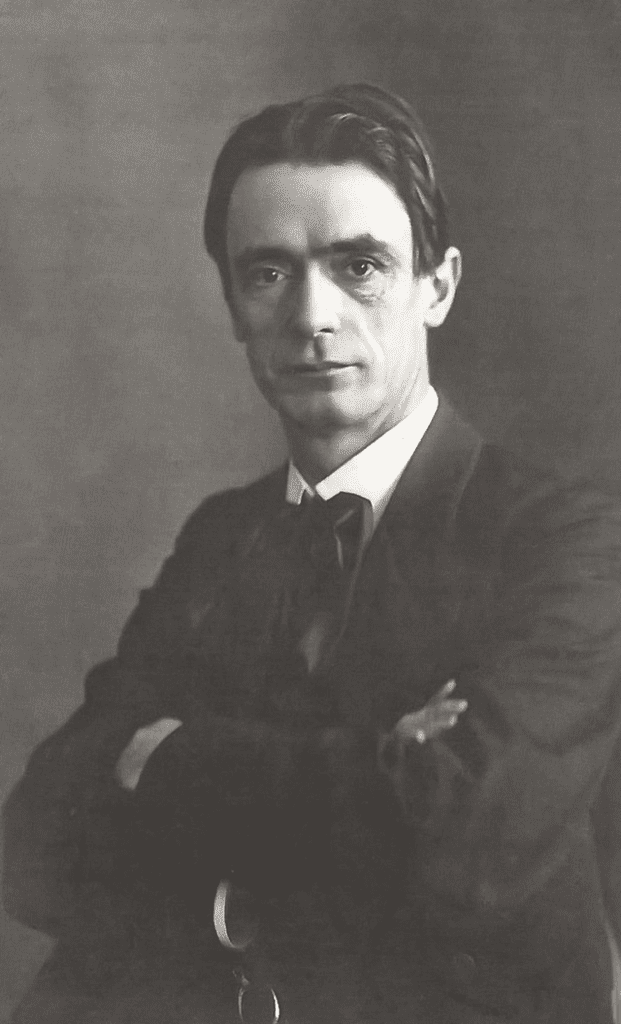
In 1924, the Austrian Rudolf Steiner, founder of anthroposophy, gave a series of lectures to farmers worried about the degradation of soils and the vitality of crops. He set out a bold idea: to heal the Earth, one must understand the invisible forces that animate it. He spoke of cosmic influence, vital energy and a link between the stars and plants.
Thus was born biodynamic agriculture: a resolutely alternative system, founded on spirituality, the science of rhythms and living biology.
Founding principles: a symphony of cycles and forces
A holistic vision of the living
In biodynamics, the farm is more than a field: it is an autonomous agricultural organism, able to be self-sufficient. External inputs are minimised. Everything is designed to balance the flows of matter, energy and life.
Cosmic rhythms: between Moon, Sun and constellations
The planning of sowing, planting, harvesting and pruning follows a lunar and planetary calendar. The idea? That the celestial cycles influence the internal fluids of plants, their growth force or their ability to keep their aromas. A practice inspired by ancestral farming traditions, brought back into use.
The famous biodynamic preparations
This is one of the most distinctive (and often mocked) points of biodynamics: the use of preparations based on medicinal plants, silica, manure and quartz, sometimes buried in cow horns, to capture terrestrial and celestial forces.
The concrete practices of biodynamics
Biodynamic compost is enriched with specific preparations (yarrow, chamomile, nettle) that speed up its maturation and increase its energetic value.
The soil is seen as a living being, fed by green manures, crop rotation and biological pest control. Biodynamics favours:
- Polyculture (a diversity of species)
- Intelligent rotation
- Companion planting
- Integration of animals
This model fosters a rich ecosystem, more resilient to disease, climatic hazards and invasions.
What are the labels?
| Label | Scope | Main features |
|---|---|---|
| Demeter: the pioneer | All farm produce and wines | A very demanding private label, complementary to official organic. Requires the whole farm to be biodynamic, mandatory use of the preparations, a ban on GMOs and CMS hybrids, strict respect for animals (cows keep their horns). For wines, two certifications: “wine from Demeter grapes” (biodynamic grapes, free winemaking) and “Demeter wine” (strict winemaking, hand harvest, low SO2, biodynamic fining). |
| Biodyvin: rigour in the vineyard | Wines only | Label of the International Union of Biodynamic Winegrowers (SIVCBD). Over 200 estates in Europe. Annual certification by Ecocert. Requires the use of the preparations, but with fewer restrictions than Demeter. Very popular with prestigious estates. |
| Nature & Progrès | Organic wines with an ethical approach | An organic label with winemaking requirements (hand harvest, native yeasts, low SO2). Less strict than Demeter on biodynamics but recognised for its sustainable, ethical approach. |
What are the benefits of biodynamics?
Biodynamics fosters an intense microbial life, a better soil structure and lasting fertility. The result: plants that are more resistant and less dependent on treatments.
Many growers report a greater expression of terroir, increased purity, and wines that are more digestible and vibrant. Is it scientifically measurable? Not always. But tasters can feel it. Biodynamics helps to:
- Sequester carbon
- Preserve biodiversity
- Restore ecosystems
- Reduce energy dependence
It embodies a regenerative agriculture, turned towards the future of the living.
Biodynamics, between the science of the living and agrarian spirituality, challenges our certainties. It reminds us that to cultivate is also to listen to the Earth, respect its rhythms and work with the forces we cannot see. Facing climate challenges and soil exhaustion, it offers a regenerative, sustainable and sensitive path.
Château d’Arsac, in the Margaux appellation, follows these questions closely across its Médoc vines.