

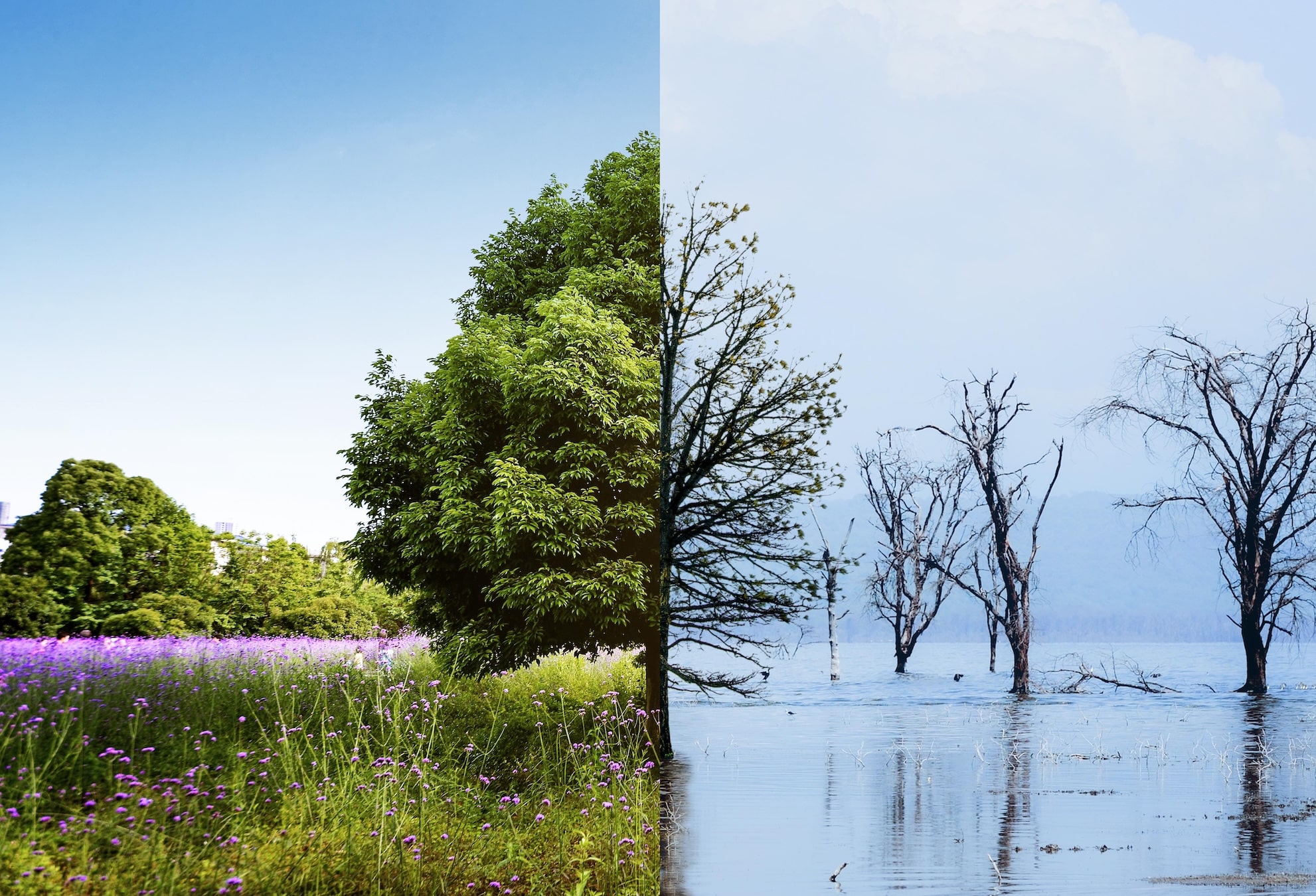
In the Bordeaux vineyards, the harvest now arrives nearly three weeks earlier than in the 1980s. This simple shift sums up the effect of climate change on the vine, a plant very sensitive to temperature and to the rhythm of the seasons. Sweeter grapes, falling acidity, changing aromas: the climate ends up directly in the glass. The sector is not standing still, between vineyard work, innovation and new grape varieties. This article takes stock of what warming is already changing for the vine, and of the levers of adaptation studied by research.
What the climate is already changing in the glass
Heat speeds up grape ripening. Berries become sweeter, which raises the potential alcohol level: in 2018, Bordeaux wines were estimated to be likely to see their alcohol content rise by about 1%.
At the same time, acids break down faster and the make-up of aroma precursors changes. The wine can therefore lose freshness and see its aromatic profile shift, vintage after vintage.
| Observed effect | Consequence in the wine |
|---|---|
| Earlier harvests | more than 3 weeks earlier than in the 1980s |
| Sweeter grapes | rising alcohol content |
| Falling acidity | wines that may lack freshness |
| Altered aroma precursors | a different aromatic profile |
The sector’s levers of adaptation
Research has explored these questions over the long term. The Laccave project, led by INRAE, ran ten years of work on the adaptation of the French vine and wine sector, until it ended in 2021.
It identified several complementary levers: better management of soil and water, new ways of training the vine, oenological innovations, a reorganisation of territories, new regulations and new grape varieties.
Bordeaux bets on new grape varieties
On 26 January 2021, INAO approved six grape varieties on a trial basis in the specifications of the Bordeaux and Bordeaux Supérieur appellations. They were chosen for their natural acidity, their structure or their resistance to certain diseases, without distorting the identity of Bordeaux wines.
Four red varieties
Touriga Nacional, Marselan, Castets and Arinarnoa. Known for their structure and resistance, they ripen while keeping freshness.
Two white varieties
Alvarinho and Liliorila. They bring acidity and aromas, two assets sought after in a warmer climate.
Their use remains framed: these varieties are limited to 5% of the estate’s surface and to 10% of the final blend. They do not appear on the label, and the trial is planned to run for about a decade before any assessment.
Frequently asked questions
Will wine become more alcoholic?
The trend points that way. In 2018, Bordeaux wines were estimated to be likely to gain about 1% alcohol. Work in the vineyard and the cellar aims to contain this effect.
Will appellation wines disappear?
Not necessarily. According to INRAE, appellations can also reinvent and adapt themselves, thanks to new technical choices and new grape varieties.
What is a better-adapted grape variety?
One that ripens later, keeps its acidity better or resists certain diseases more. It therefore copes better with heat and shifting humidity.
Going further
Warming does not spell the end of the vineyard, but it imposes new benchmarks, season after season. Soil-friendly approaches play their part, whether organic viticulture or biodynamics.
Château d’Arsac, in the Margaux appellation, watches these changes closely across its Médoc vines.