Imagine being able to identify a hint of orange zest, a touch of truffle or the underlying note of leather in a glass of wine. Developing your palate is a fascinating journey into the world of the senses, a gradual but exciting training. Through simple exercises, the use of aroma kits, tasting techniques and practical advice, this guide takes you step by step towards a richer, more nuanced sensory perception.
The basics: why and how to train
Refining your palate is not a privilege reserved for sommeliers: anyone can develop a more precise, richer and above all more conscious sensory perception. Why? Because taste is a subtle balance between the taste buds, which capture the five basic tastes (sweet, salty, sour, bitter, umami), and above all our olfactory memory, able to recognise, compare and interpret thousands of complex aromas.
By training the nose, you sharpen not only the olfactory receptors: you also programme the brain, through neuroplasticity, to identify, tell apart and remember the most subtle scents. This training rests on repetition, active attention and a precise sensory vocabulary, all essential ingredients to build an effective smell-and-taste language.
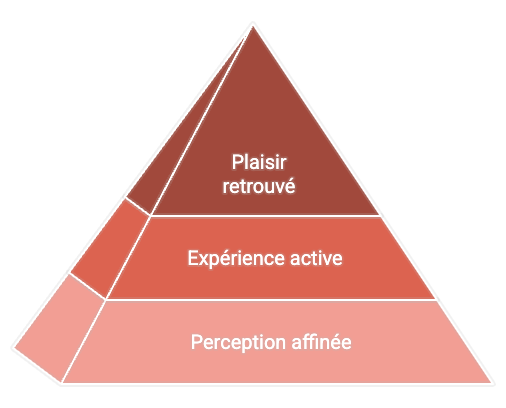
But why set off on this journey? Because a trained palate means:
- A sharper perception: you learn to tell the primary tastes apart, to feel the texture, the body of the wine, its length on the palate, and to name them accurately.
- An active, rewarding experience: you taste consciously, take pleasure and make more informed choices when buying or sharing a bottle.
- Rediscovered pleasure: fewer disappointing purchases, less frustration, and instead more intense, richer sensory moments, more connected to the nature of the product.
A few exercises to do at home
a) The four basic tastes
Prepare flavoured water: black tea (tannins), lemon (acidity), sugar (sweetness), vodka (alcohol). Compare with a wine that has the same features to feel each component better.
b) Note and put into words
Record your impressions (smells, sensations, textures). The more you name, the more you remember. Notebooks and scoring sheets are very useful.
c) Comparative tasting
Set up blind sessions, or serve several wines or aroma samples and compare intensity and nuance. Comparative training sharpens discrimination.
d) Everyday olfactory discovery
Smell fruit, vegetables, spices and herbs systematically: at the grocer’s, in the kitchen, out in nature. Break or crush plants to release their aromas. Take olfactory walks in forests, gardens and markets. Be curious and attentive.
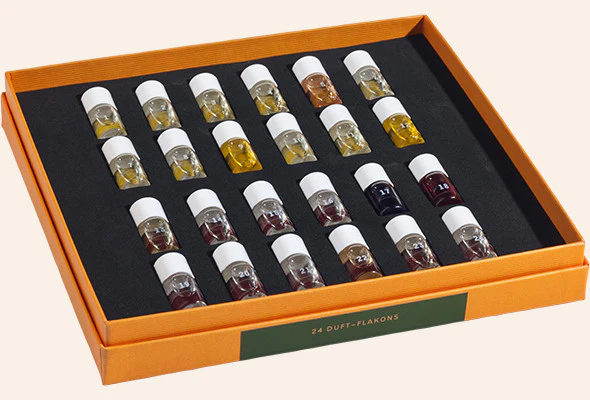
Want to go further? Consider aroma kits
The best sommeliers use professional kits such as Le Nez du Vin (54 aromas), Aromaster (88 scents) or Aromabar, to anchor specific smells visually and mentally.
Benefits
- Structured, educational exposure to key aromas
- A stronger aroma-to-wine link thanks to explanatory cards
- Simple, regular olfactory quizzes
These solutions are often costly, so you can also train at lower cost using real foods, fresh spices or essential oils (rose, lemon, clove, eucalyptus), for a natural and economical practice.
And, to complement all this?
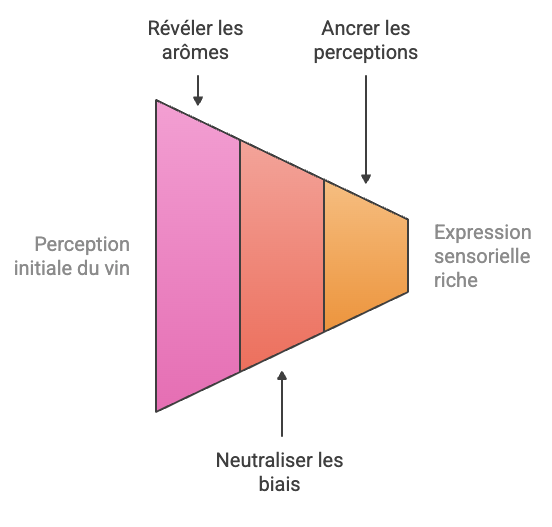
Beyond the basic training, these sensory techniques will help you take a step forward in refining your palate.
Aspiration: revealing secondary aromas
While keeping the wine in your mouth, draw in a little air: this gesture stimulates the release of secondary and tertiary aromas (from fermentation and ageing), such as brioche, mushrooms or undergrowth notes. This subtle aeration noticeably enriches your perception and refines the aromatic finesse of each sip.
Blind tasting: for a neutral judgement
By hiding the wine from view (bottles in bags or black glasses), you remove the cognitive biases tied to grape variety, region or price. This format, used in competitions and professional workshops, reconnects you to the first sensations, those coming from pure taste, unfiltered by your expectations.
Building a personal vocabulary: speaking with your senses
Creating your own sensory lexicon is essential: raspberry, undergrowth, tar, honey, leather. By making these words your own, you rebuild emotional and mnemonic bridges, and turn every tasting into a living, intimate experience. This vocabulary, though subjective, grows richer and more accurate as your olfactory and taste references sharpen.
These complementary methods will help you move from passive tasting to an active, immersive experience, strengthening your sensitivity, objectivity and expression. They can be combined: during a blind session, take the time to draw in air, then choose an evocative word to describe your sensation.
Developing your palate means opening up to a forgotten richness. Every smell, every note becomes a secret key to savour, understand and feel. By taking this path, you become an actor in your own tasting experiences.
Your mission: start today. Smell an orange, bite a mint leaf, note a wine. Little by little, your world will grow richer.
Put it into practice with the wines of Château d’Arsac, in the Margaux appellation.