

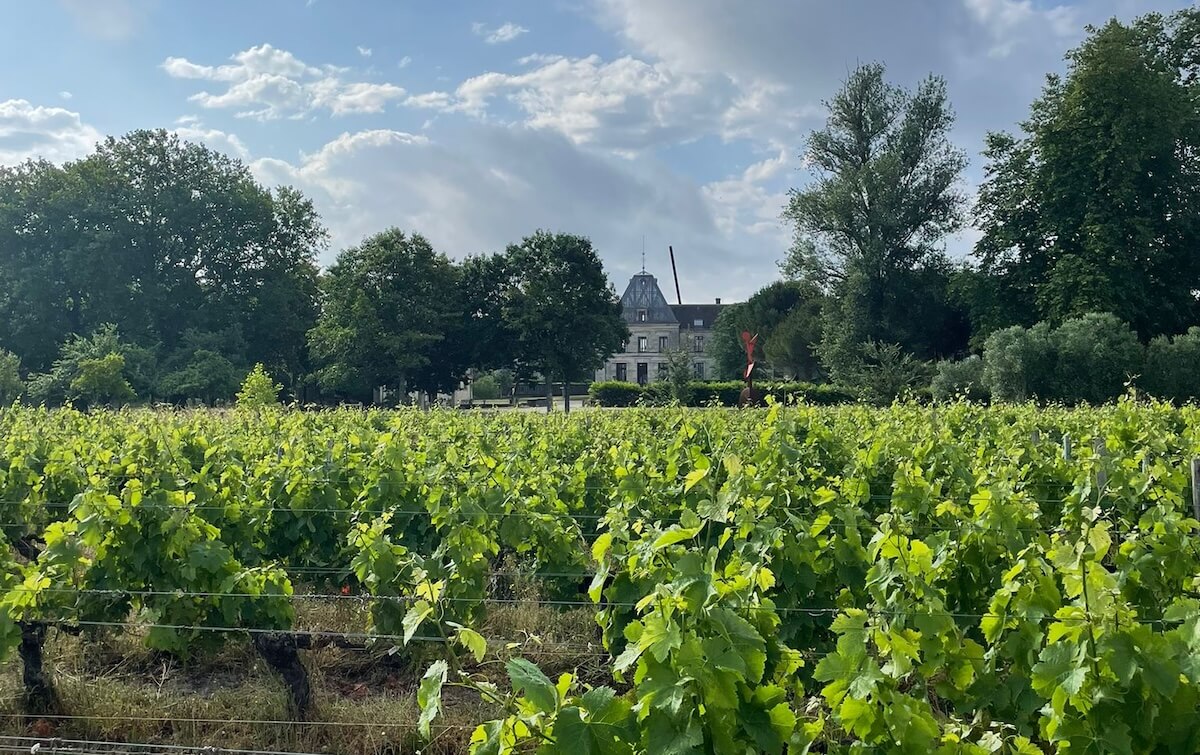
Behind every wine lies a grape variety, the type of vine that largely determines the aromas, structure and personality of a wine. In France, a country with an exceptional wine heritage, the grape varieties are many, but some stand out for their fame, their spread and their influence. Whether you are an enthusiast or simply curious, knowing these essential grapes will help you better understand what is in your glass and refine your choices. Follow us on a tour of the stars of the French vine.
What is a grape variety?
A grape variety is a type of vine grown to produce wine. Each variety has its own features: berry size, skin thickness, sugar content, acidity, aromas. These factors directly influence the colour, texture, scent and ageing potential of the wine. Some varieties suit cool climates, others warmer terroirs. Growers choose their grapes according to the soil, the climate, local tradition and the style of wine they wish to make.
The emblematic red varieties
The wealth of French red varieties reflects the diversity of the country’s terroirs and climates. From northern Burgundy to the southern Languedoc, each region has brought forth emblematic grapes able to produce wines of astonishing variety: from the lightest to the most powerful, the most fruity to the most spicy.
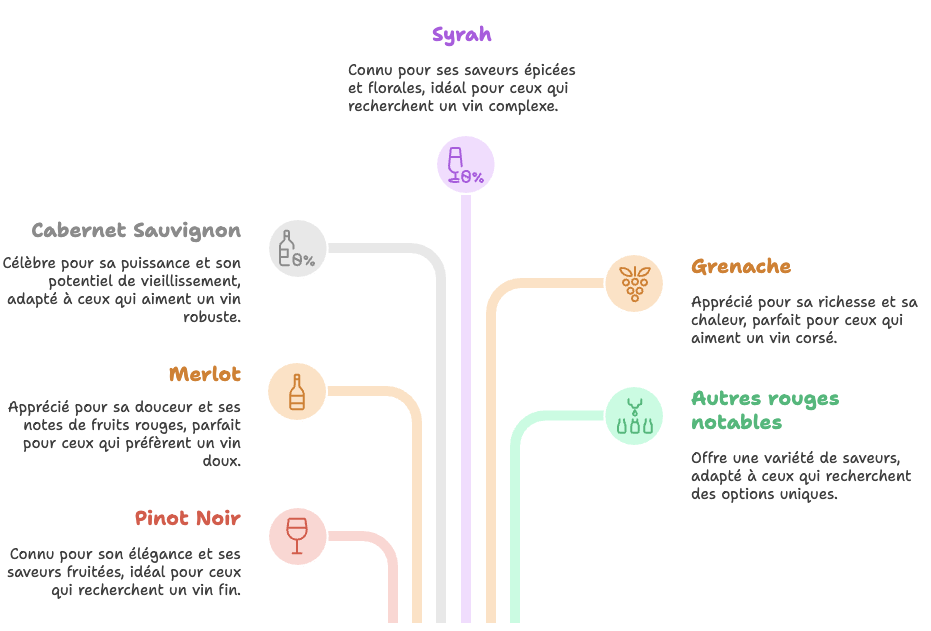
- Pinot Noir: from Burgundy, famous for its fine, elegant, fruity wines. It also gives rosé Champagnes and some crémants. Hard to grow, it needs a cool climate and much care.
- Merlot: very widespread, notably on Bordeaux’s right bank (Saint-Émilion, Pomerol), it makes supple, round wines with red and black fruit notes and soft tannins.
- Cabernet Sauvignon: the king of Bordeaux’s left bank (Médoc, Graves), it gives powerful, tannic wines with blackcurrant, pepper and cedar aromas and excellent ageing potential.
- Syrah: grown mainly in the northern Rhône (Côte-Rôtie, Hermitage), it makes structured, spicy wines often marked by violet and pepper.
- Grenache: found in the south-east (southern Rhône, Languedoc, Roussillon), it produces rich, warm wines, often blended with Syrah and Mourvèdre, and also present in many rosés.
- Other notable reds: Gamay (Beaujolais, light and fruity), Malbec (the treasure of Cahors, intense and fleshy), Carignan (long widely planted in the south, now returning in quality winemaking).
The essential white varieties
If red varieties seduce with power or finesse, white varieties offer an equally captivating palette, often more focused on freshness, elegance and aromatic expression. France counts among its treasures world-renowned whites, able to make dry, sweet or sparkling wines.
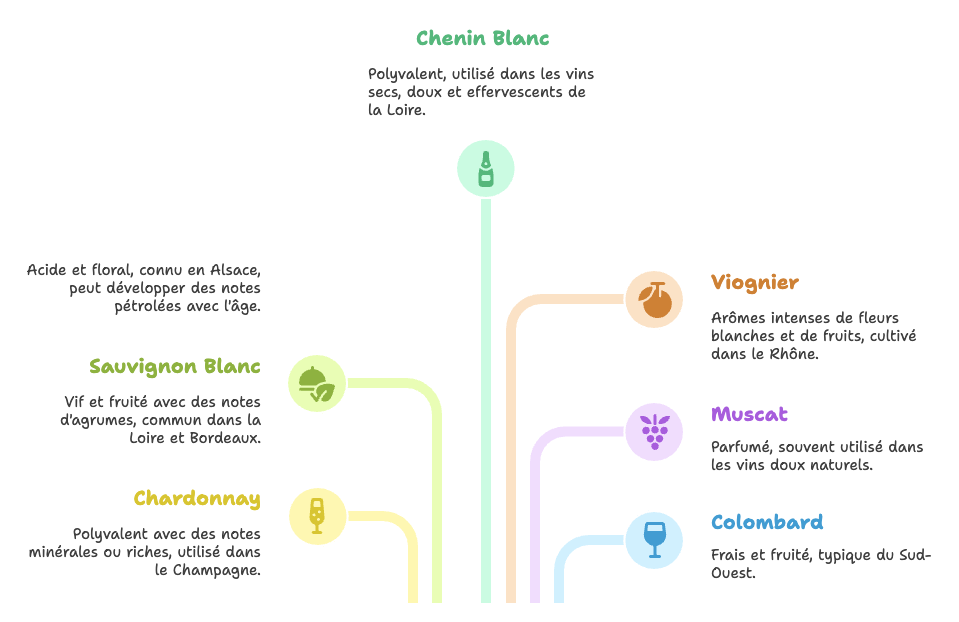
- Chardonnay: universal but emblematic of Burgundy (Chablis, Meursault, Puligny), it can give very mineral wines or, on the contrary, rich and oaky ones. It is also a pillar of Champagne.
- Sauvignon Blanc: very present in the Loire (Sancerre, Pouilly-Fumé) and in Bordeaux, it makes lively, fruity wines with citrus and boxwood notes.
- Riesling: highly identity-driven in Alsace, it produces taut, floral wines, sometimes petrol-like with age, with fine acidity.
- Chenin Blanc: typical of the Loire (Vouvray, Montlouis, Anjou), it is very versatile: dry, off-dry, sweet or even sparkling, with great aromatic complexity.
- Other whites worth knowing: Viognier (northern Rhône, Condrieu; intense white flowers, apricot, peach), Muscat (fragrant, often made into naturally sweet wine), Colombard (typical of the South-West, for fresh, fruity whites).
Why knowing the grapes changes your relationship with wine
Understanding grape varieties is like learning a new language: the language of wine. It lets you decode labels, better read technical sheets or a wine merchant’s advice, and above all choose with confidence. Knowing that Pinot Noir often gives finer, more acidic wines than Merlot, or that Sauvignon Blanc is livelier than Chardonnay, already helps steer your purchases towards your tastes.
It also opens the door to exploration: once you identify a grape you enjoy, you can discover its expressions across different regions and terroirs. A Chablis Chardonnay will not have the same accents as one from the Côte d’Or or the Jura. This knowledge refines your palate, builds a taste memory and links wines to places.
Grape varieties are the foundations of French wine. Knowing them helps you decode labels, refine your preferences and be surprised by the richness of the French vineyard.
Discover how these grapes express themselves in the wines of Château d’Arsac, in the Margaux appellation.